— News
The original collectibles Tsuba
Long before sneakers, art bags or design chairs became objects of desire, there was the tsuba. A functional piece of metal that grew into one of the most collected art forms of Japan.
This year PAN Amsterdam devotes a full day of its programme to collectibles: objects made to be used, then treasured for their design, their makers and their stories. The tsuba belongs in that company more than almost anything else. At our stand we present a large collection of them, and we would like to explain why they are such a rewarding place to begin a collection.
From function to fashion
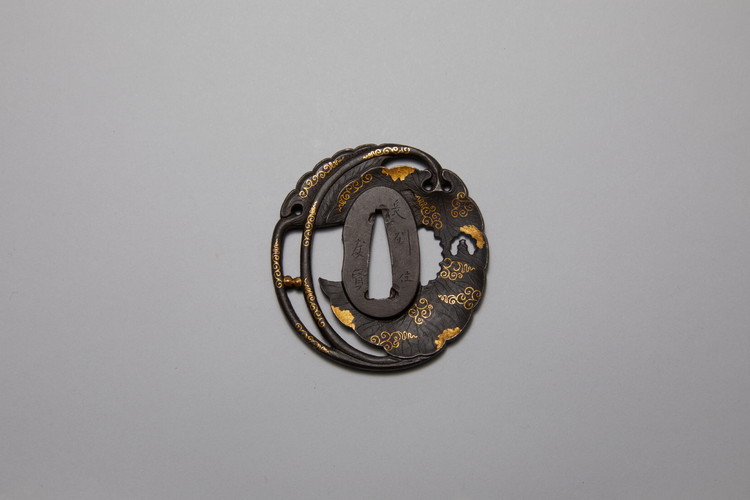
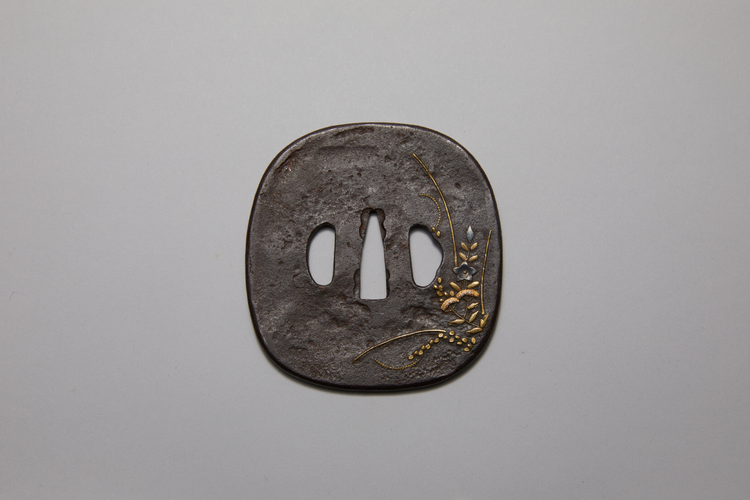
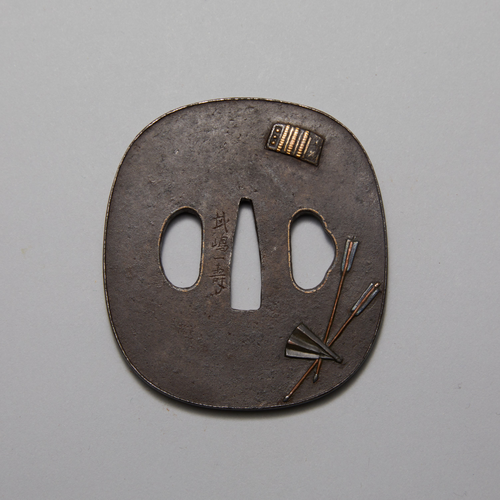
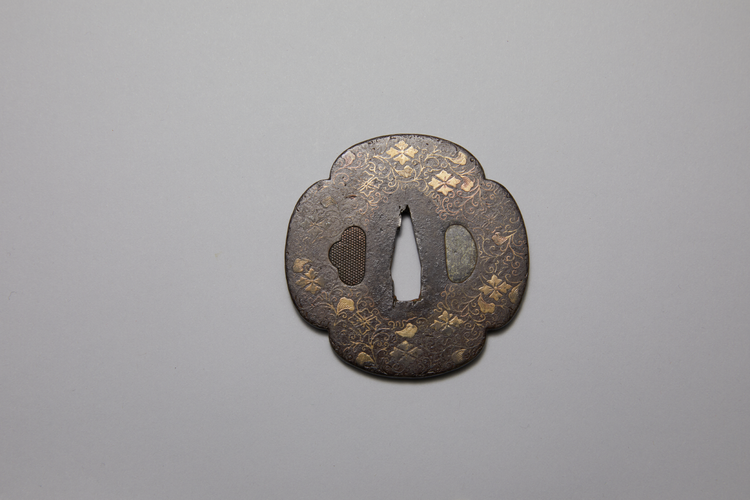
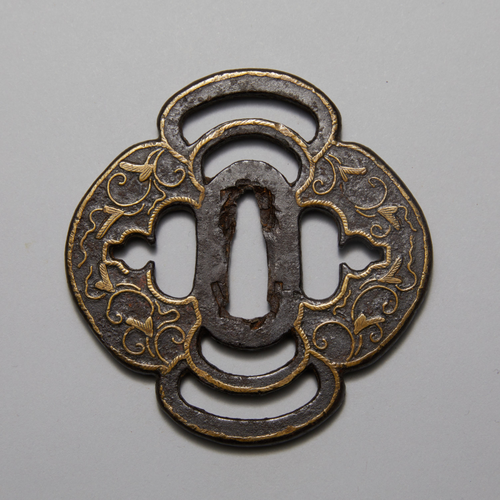
A tsuba is the handguard of the Japanese sword. It sits between blade and grip, protects the hand and balances the weapon. Through the opening at its centre passes the blade; the smaller openings beside it held the kozuka and kogai, the utility knife and hairpin-like tool carried with the sword.
Yet a tsuba was never only practical. Together with the other sword fittings, it was part of how a samurai presented himself. Sober iron suited daily life, while formal occasions called for refined fittings in precious alloys. Owners changed fittings to suit the season, the occasion and their status, much as we choose a bag, a watch or a pair of shoes today.
That is why tsuba fit so naturally alongside fashion and collectibles. They were the original accessory: a small object through which taste, rank and personality became visible.
Collected from the very beginning
During the long peace of the Edo period (1603–1868), swords were drawn less and admired more. Sword fittings became a field of artistic ambition. Families such as the Gotō worked for the shogunate in shakudō and gold, while independent town artists, the machibori, developed freer and more pictorial styles. Ironworkers in Higo, Owari and elsewhere created tsuba of striking simplicity.
The result is an extraordinary range: openwork silhouettes of plum blossom and cranes, landscapes in inlaid gold and silver, dragons in high relief, poems and seasons rendered in metal. Signed works by renowned masters were sought after in Japan itself.
After the wearing of swords in public was banned in 1876, many fittings left Japan. In Europe they found eager admirers among the collectors of the Japonisme era, who valued them as miniature sculptures. Many fine collections in Western museums go back to that period. Collecting tsuba is, in other words, a tradition of well over a century.
Why tsuba suit a new generation of collectors
- Small and easy to live with. A tsuba fits in the palm of your hand. A collection needs no large walls or storage, and can be displayed on a shelf or in a small cabinet.
- Endless variety. Materials, schools, periods, techniques and subjects offer a lifetime of discovery. Every new piece teaches you something.
- Accessible entry point. Fine tsuba are available at a wide range of price levels, so you can start modestly and grow with your knowledge.
- Craftsmanship you can feel. Unlike a painting behind glass, a tsuba is meant to be held. Weight, surface and patina are part of the experience.
- A link to a larger world. Tsuba open the door to Japanese history, literature, nature symbolism and the culture of the sword.
Five tips for starting your collection
- Buy what moves you. Let your eye lead. A collection built on genuine attraction becomes personal and coherent over time.
- Handle as many as you can. Looking and holding train your eye faster than any book. Fairs and galleries are the best places to compare quality side by side.
- Respect the patina. The surface of an old tsuba has developed over generations. Never clean or polish it; that destroys both beauty and value.
- Ask about attribution and papers. Signatures can be genuine, later or optimistic. Certificates from the NBTHK, such as Hozon or Tokubetsu Hozon, give extra security for important pieces.
- Build a relationship with a dealer you trust. A good dealer explains, compares and helps you grow, and will be honest about what a piece is and is not.
Visit us at PAN Amsterdam
PAN Amsterdam takes place from 1 to 8 November 2026 at the RAI. Thursday 5 November is Collectibles Day, with talks on design chairs, collectable cars, art bags and streetwear collectibles. Tuesday 3 November, Next Gen day, includes a conversation about the first art purchase and how a collection begins.
At our stand you will find a large selection of tsuba, from restrained iron to richly inlaid work. Come and look, hold them and ask questions. We are happy to help you take your first step as a collector.
Van Pruissen Asian Art — PAN Amsterdam, RAI, stand 86