— Blog
Why 17th/18th-century Japanese armour is relevant to fashion
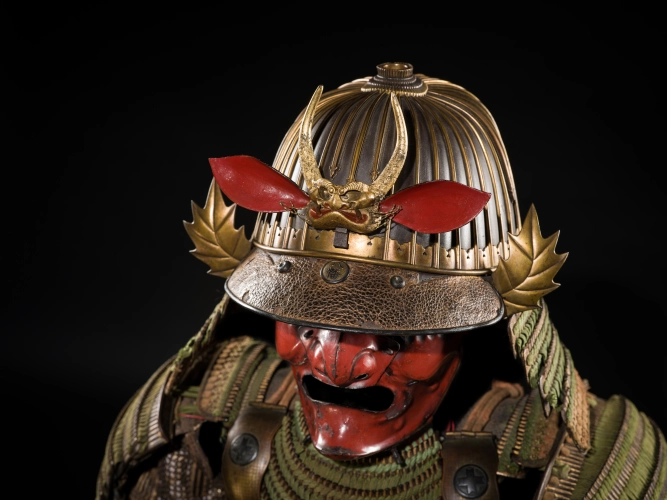
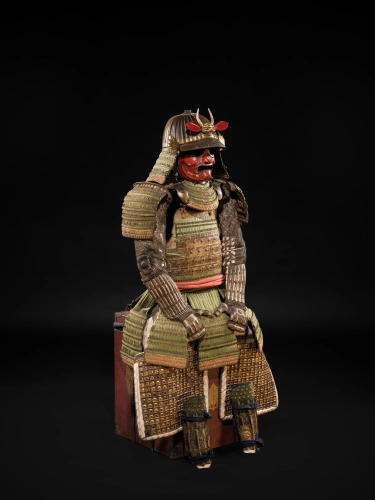
Edo-period armour (yoroi/gusoku) has a military appearance, but is just as relevant to fashion. The layered, modular plate construction solves the same problem familiar to every fashion designer: shaping the body without restricting or losing freedom of movement. That architectural, sculptural design language is reflected centuries later in the deconstructed silhouettes of Japanese avant-garde designers and in the work of Western designers seeking an alternative to the corset.
The colourful silk laces (odoshi) are not merely decorative, but form a carefully considered aesthetic system of colour and gradation – an early modern textile language that aligns with how fashion today conceives of print and pattern. Moreover, virtually every suit of armour is adorned with one (or more) family crests; the ‘mon’: a stylised, repeatable logo, functionally identical to what the fashion industry now calls ‘branding’.
A 17th/18th-century suit of armour is therefore not an isolated military artefact, but an early and refined example of how construction, colour and identity together shape the body. These are precisely the issues with which contemporary fashion continues to grapple.